

Best Natural Oil for Skin Rejuvenation 2026: 7 Oils That Work
Table of Contents
- How to Choose the Best Natural Oil for Skin Rejuvenation
- 1. Jojoba Oil: Closest to Skin's Natural Sebum
- 2. Rosehip Seed Oil: Natural Oils for Anti-Aging and Wrinkles
- 3. Doyley's Haitian Black Castor Oil: Benefits of Haitian Black Castor Oil for Skin
- 4. Marula Oil: Lightweight Hydration for Oily and Acne-Prone Skin
- 5. Sea Buckthorn Oil: Oils for Sensitive and Inflamed Skin
- 6. Pomegranate Seed Oil: Addressing Uneven Skin Texture
- 7. Squalane: Lightweight Hydration for All Skin Types
- How to Apply Face Oil for Maximum Absorption
- Building a Synergistic Oil Blend
- Sustainability and Sourcing
- Frequently Asked Questions
Last Updated: September 26, 2026
How to Choose the Best Natural Oil for Skin Rejuvenation
The best natural oil for skin rejuvenation in 2026 depends on two things: your skin type and how the oil was extracted. The clean-beauty market has exploded with options, and most shoppers still pick by scent or packaging instead of chemistry. That's a mistake. The right oil can restore your skin barrier and soften fine lines; the wrong one can clog pores and leave you greasy by noon. Below, we break down the selection criteria, then rank seven oils that actually deliver.
Skin rejuvenation is the process of restoring skin's firmness, hydration, and even tone by supporting its natural repair cycle. Natural oils help by supplying fatty acids, antioxidants, and vitamin E that reinforce the lipid barrier and reduce trans-epidermal water loss.
Two factors separate a good oil from a wasted purchase. First, the comedogenic rating, which predicts how likely an oil is to clog pores. Second, the extraction method, which determines how much of the oil's antioxidants survive processing. Get both right and you'll see a real glow. Get them wrong and you'll blame your skin instead of the bottle.
Comedogenic Scale Analysis
The comedogenic scale rates oils from 0 to 5 based on pore-clogging potential. Jojoba, marula, and squalane sit at 0-2, making them safe for acne-prone and oily skin. Coconut oil hits 4, which is why it breaks out so many faces despite its popularity.
High-linoleic oils tend to score lower and absorb faster. High-oleic oils feel richer but sit heavier on the surface. If you're acne-prone, stay at 2 or below. Dry and mature skin can handle 3 or higher without trouble.
Cold-Pressed vs. Refined Extraction
Cold-pressed oils are extracted without heat or chemical solvents, preserving fatty acids, vitamin E, and antioxidants. Refined oils go through heat and hexane processing, which boosts shelf life but strips much of the nutritional value.
Cold-pressed costs more because yields are lower. That price gap is real, not marketing. For rejuvenation, the antioxidants are the whole point, so cold-pressed is worth it. Refined oils still moisturize, but they behave more like a basic emollient than a treatment.
1. Jojoba Oil: Closest to Skin's Natural Sebum
Jojoba is technically a liquid wax, and its structure mimics human sebum almost exactly. That's why it absorbs quickly, balances oil production, and rarely triggers breakouts. It's the safest starting point if you've never used a facial oil.
2. Rosehip Seed Oil: Natural Oils for Anti-Aging and Wrinkles
Rosehip seed oil is the go-to natural oil for anti-aging and wrinkles because it's loaded with linoleic acid, vitamin A precursors, and vitamin E. Regular use supports collagen production and fades the look of dark spots and fine lines.
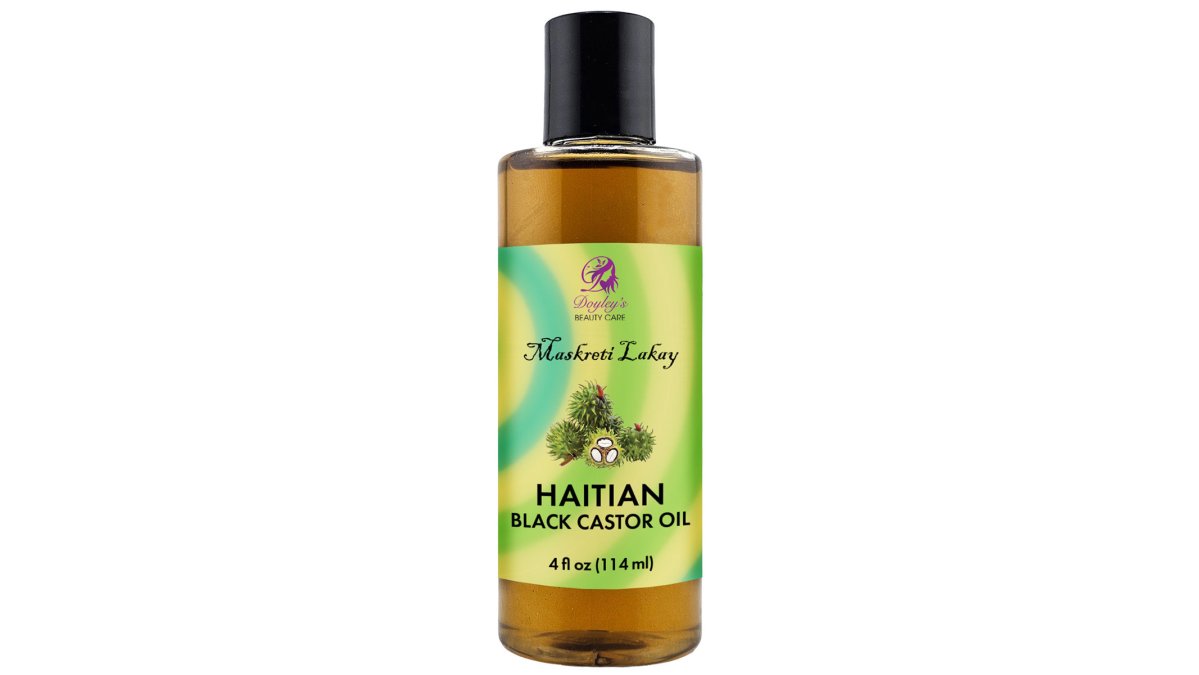
3. Doyley's Haitian Black Castor Oil: Benefits of Haitian Black Castor Oil for Skin
The benefits of Haitian Black Castor Oil for skin start with ricinoleic acid and omega-6 fatty acids, which deeply hydrate and support the skin barrier. Unlike lighter facial oils, it's thick and rich, so it suits dry, mature, and dehydrated skin best.
4. Marula Oil: Lightweight Hydration for Oily and Acne-Prone Skin
Marula oil delivers lightweight hydration for oily and acne-prone skin without the greasy finish. It's high in oleic acid and antioxidants, absorbs in seconds, and sits comfortably under sunscreen.

5. Sea Buckthorn Oil: Oils for Sensitive and Inflamed Skin
Sea buckthorn is the best pick for sensitive and inflamed skin. It's rich in omega-7 fatty acids and antioxidants that calm redness and support the skin barrier, which is why it shows up in so many post-procedure formulas.
6. Pomegranate Seed Oil: Addressing Uneven Skin Texture
Pomegranate seed oil is the strongest option for addressing uneven skin texture. Its punicic acid content supports skin renewal, and its antioxidants help defend against the daily damage that dulls complexion over time.
7. Squalane: Lightweight Hydration for All Skin Types
Squalane is the safest universal choice for lightweight hydration across all skin types. It mimics skin's natural lipids, absorbs without residue, and won't clog pores, which makes it a reliable base for almost anyone.
How to Apply Face Oil for Maximum Absorption
How to apply face oil for maximum absorption comes down to timing and order. Apply oil after water-based products, while skin is still slightly damp, and press it in with your palms instead of rubbing.
Follow these steps:
Doyley's Haitian Black Castor Oil 4oz →
- Cleanse and pat skin until it's damp, not dripping.
- Apply water-based serums first and let them absorb for one minute.
- Warm two to four drops of oil between your palms.
- Press the oil into your face and neck, working upward.
- Wait two minutes before sunscreen or makeup in the morning.
- Use treatment oils at night and lighter oils in the morning.
| Oil | Comedogenic Rating | Best For | Apply |
|---|---|---|---|
| Jojoba | 0-2 | All skin types | Morning or night |
| Rosehip Seed | 1 | Fine lines, dark spots | Night |
| Haitian Black Castor | 2 | Dry, mature skin | Night |
| Marula | 2 | Oily, acne-prone | Morning |
| Sea Buckthorn | 1-2 | Sensitive, inflamed | Night |
| Pomegranate Seed | 1 | Uneven texture | Night, 2-3x weekly |
| Squalane | 0-1 | All skin types | Morning or night |
Building a Synergistic Oil Blend
Blending two or three oils often beats using one alone. A synergistic blend pairs a lightweight base with a treatment oil, so you get hydration and active benefits in a single step.

Try these combinations:
- Squalane plus rosehip seed for anti-aging without heaviness
- Jojoba plus sea buckthorn for sensitive skin that needs soothing
- Marula plus pomegranate seed for oily skin with uneven texture
- Haitian Black Castor Oil plus jojoba for dry skin that still wants to absorb
Sustainability and Sourcing
-
USDA Organic, verifies the crop was grown without synthetic pesticides and fertilizers, and that processing meets federal organic standards.
-
Fair Trade Certified, indicates the producers received a fair price and that a premium was reinvested in their community.
-
Leaping Bunny, confirms no animal testing at any stage of production.
-
B Corp, a broader accountability certification covering environmental and social performance.
-
Amber or dark glass protects oils from light degradation, which matters most for fragile oils like rosehip and pomegranate.
-
Small bottles mean less waste when a short-lived oil reaches the end of its life, better to buy 1 oz twice than 4 oz once and watch half of it go rancid.
-
Pumps and droppers reduce oxidation from repeated air exposure compared to wide-mouth jars.
-
Refill or recyclable options, where available, cut down on glass and plastic over time.
- Can the brand name the region and pressing method for this oil?
- Is it cold-pressed or refined, and is that stated on the label?
- Is the bottle amber glass, and is it sized for the oil's shelf life?
- Does the brand offer any third-party certification, or explain why not?
- Is the price consistent with a genuine cold-pressed fragile oil, or suspiciously low?
Haitian Black Castor Oil is a useful example of why origin matters: the traditional cultivation and pressing tied to Haiti produces a distinct, nutrient-rich oil, and buying it supports that specific tradition rather than a generic commodity supply chain.
Frequently Asked Questions
Which natural oil is best for skin rejuvenation?
The best natural oil depends on your skin type. Jojoba oil suits oily and acne-prone skin because it regulates sebum. Rosehip seed oil is ideal for anti-aging and wrinkles thanks to its vitamin A and essential fatty acids. For dry or sensitive skin, Haitian Black Castor Oil deeply hydrates and soothes inflammation. Marula and squalane work well for most skin types without clogging pores. Start with one oil and patch test before applying to your full face.
Can natural oils actually reverse signs of aging?
Natural oils cannot reverse aging, but they can visibly improve fine lines, wrinkles, and skin tone. Oils rich in antioxidants and essential fatty acids, like rosehip seed oil and pomegranate seed oil, support collagen production and reduce trans-epidermal water loss. Regular use helps restore elasticity and a healthy glow. Results build over 8 to 12 weeks. Oils work best as part of a consistent routine that includes sun protection and gentle exfoliation.
How do I choose the right oil for my skin type?
Match the oil's fatty acid profile to your skin's needs. High-linoleic oils like rosehip and evening primrose are lightweight and good for acne-prone or oily skin. High-oleic oils like olive and marula are richer and suit dry or mature skin. Check the comedogenic rating: oils rated 0 to 2 are less likely to clog pores. Always patch test on your inner arm for 24 hours before applying to your face.
Is Haitian Black Castor Oil good for skin rejuvenation?
Yes. Haitian Black Castor Oil is rich in ricinoleic acid and omega-6 fatty acids, which deeply hydrate and help soothe common skin issues such as acne and prevent early signs of aging. It supports the skin barrier and improves skin texture when used regularly. Doyley's Haitian Black Castor Oil 4oz ($10.99) is hexane-free and multi-purpose, suitable for face, body, nails, and scalp. Apply a few drops to clean, damp skin at night.
How often should I apply natural oils to my face?
Most skin types benefit from applying face oil once or twice daily. Use it as the last step of your evening routine to seal in moisture, or mix a drop into your moisturizer in the morning. If your skin is very oily, start with three nights per week and adjust. For maximum absorption, apply to damp skin after cleansing and gently press the oil in with your palms rather than rubbing.