

Why Is My Skin Texture Dull and Dry? 7 Fixes That Work
Table of Contents
- Why Is My Skin Texture Dull and Dry? Causes of Dull Dry Skin
- How to Fix Dull and Dry Skin: A Gentle Routine
- Why Your Skin Feels Dry After Moisturizing
- Gentle Exfoliation for Dull Skin: How to Do It Safely
- Lifestyle Factors That Affect Skin Texture
- How Long Improvements Take and How to Track Them
- When to See a Dermatologist About Dry, Rough Skin
- Frequently Asked Questions
Last Updated: October 21, 2026
Why Is My Skin Texture Dull and Dry? Causes of Dull Dry Skin
If you've been asking yourself "why is my skin texture dull and dry," the answer usually comes down to three things: water loss, dead cell buildup, and a stressed barrier. At Doyley's Beauty Care, we hear this question often. Most people assume they need a stronger product. Usually, they need a gentler routine.
Dullness and dryness rarely appear alone. They feed each other. Dry skin reflects less light, so it looks flat. Rough texture scatters light instead of bouncing it back, so your complexion loses that healthy glow.
Here's the short version:
- Dry skin lacks oil. It feels tight and looks flaky.
- Dehydrated skin lacks water. It can feel tight even when it's oily.
- Barrier stress means your skin's outer layer is struggling to hold moisture in at all.
The American Academy of Dermatology's guidance on dry skin points to factors like weather, harsh cleansers, and age as common contributors. None of these require a complicated fix. They require consistency.
Dryness vs. Dehydration vs. Barrier Stress
These three get mixed up constantly, and the mix-up leads people to buy the wrong products.
Dry skin is a skin type. Your skin produces less oil than it needs. It feels rough, looks flaky, and often stings after cleansing.
Dehydrated skin is a temporary state. Your skin is short on water, not oil. It can happen to anyone, even people with oily skin. Fine lines look sharper, and skin feels tight after washing.
Barrier stress is when the outer layer of skin is compromised. It can't hold water in or keep irritants out. Signs include redness, stinging, and skin that reacts to products it used to tolerate.
How to Fix Dull and Dry Skin: A Gentle Routine
Fixing dull, dry skin starts with doing less, not more. Most people over-cleanse, over-exfoliate, and under-moisturize. Flip that order and texture often improves within weeks.
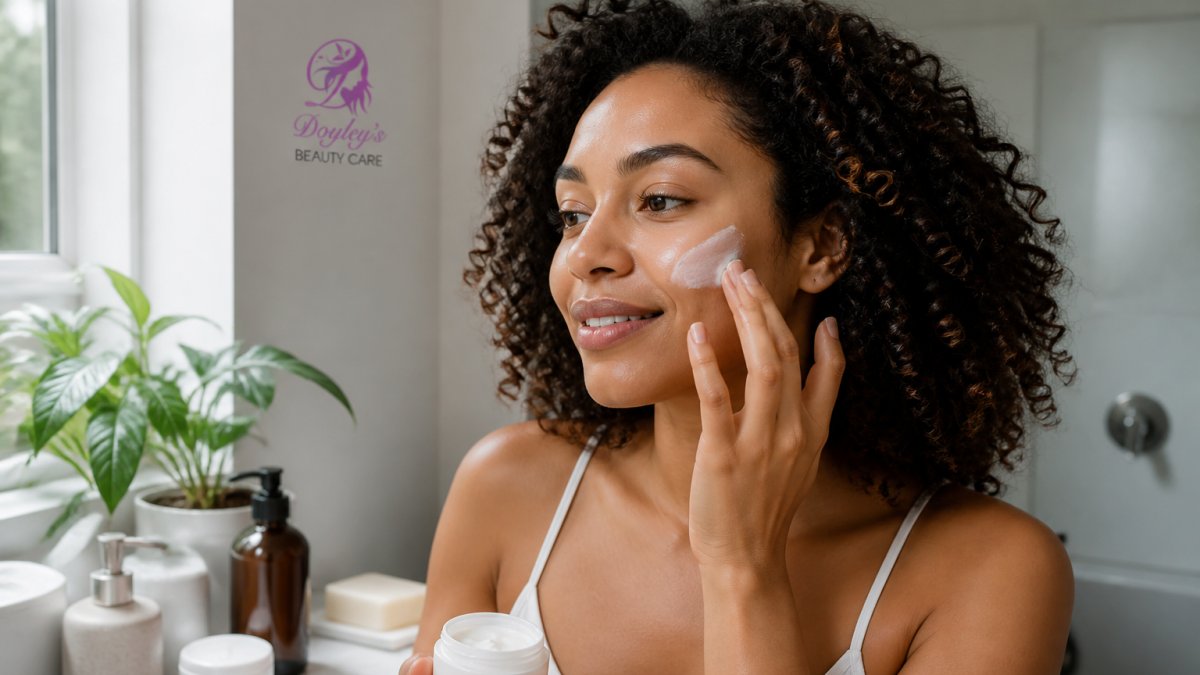
Step-by-Step Routine for Dry, Dull, Textured Skin
- Cleanse gently, once or twice daily. Use lukewarm water, never hot. Our Kojic Acid + Turmeric Brightening Cleansing Bar creates a soft lather that rinses away daily buildup without leaving skin feeling stripped.
- Apply moisturizer to damp skin. This is the step most people skip. Moisturizer seals in water, so it works best when there's water to seal.
- Layer a hydrating moisturizer morning and night. Our Brightening Moisturizer Cream with Kojic Acid + Niacinamide combines Hyaluronic Acid, Niacinamide, Vitamin C, and Kojic Acid to support soft, smooth-feeling skin and a more radiant-looking appearance.
- Use sunscreen every morning. Sun exposure is one of the most common drivers of dull-looking skin.
- Exfoliate gently, once or twice a week at most. More on this below.
Why Your Skin Feels Dry After Moisturizing
Skin that still feels dry after moisturizing usually isn't getting enough water underneath the product. Moisturizer is a seal, not a sponge. If you apply it to bone-dry skin, it locks in very little. But timing is only one reason moisturizer can seem to fail. The other reasons point to which of the three overlapping conditions you're actually dealing with.


A Symptom-Led Check: Dry, Dehydrated, or Barrier-Stressed?
These three get mixed up constantly, and the mix-up leads people to buy the wrong products. Use this checklist after cleansing and waiting about 30 minutes without applying anything.
- Dry skin (a skin type). Skin produces less oil than it needs. It feels rough, looks flaky, and often stings after cleansing. Moisturizer absorbs quickly and skin still feels tight an hour later. The fix is oil-supporting moisture, not more water.
- Dehydrated skin (a temporary state). Skin is short on water, not oil. It can happen to anyone, even people with oily skin. Fine lines look sharper, skin feels tight after washing, but it may still look shiny by midday. The fix is layering water-binding hydration under a seal.
- Barrier stress (a compromised outer layer). Skin can't hold water in or keep irritants out. Signs include redness, stinging, and skin that reacts to products it used to tolerate. The fix is pausing actives and rebuilding with gentle, consistent moisture.
How to Layer Moisture So It Actually Stays
Once you know which pattern fits, the layering order is the same: water first, seal second.
- Step 1: Cleanse with lukewarm water and pat dry, leaving skin slightly damp.
- Step 2: Apply your moisturizer within about a minute of cleansing, while skin is still damp. Our Brightening Moisturizer Cream with Kojic Acid + Niacinamide combines Hyaluronic Acid, Niacinamide, Vitamin C, and Kojic Acid to support soft, smooth-feeling skin and a more radiant-looking appearance.
- Step 3: For very dry areas, add a second thin layer after the first absorbs.
- Step 4: At night, give skin a heavier layer and let it work while you sleep.
If skin still feels dry after two weeks of consistent layering, the issue is usually one of three things: over-cleansing, exfoliating too often, or applying actives before the barrier has recovered. Pull back on those before adding a stronger moisturizer.
Gentle Exfoliation for Dull Skin: How to Do It Safely
Gentle exfoliation for dull skin removes dead skin cell buildup that blocks light reflection. Do it too often or too aggressively, though, and you damage the barrier, which makes dullness and dryness worse. Dead skin cells shed naturally, but that process slows with age and dryness. Surface buildup creates rough skin and uneven skin texture. Light, consistent exfoliation supports skin cell turnover and skin renewal.
A Safe, Gradual Sequence for Dry, Dull, Textured Skin
Most people start exfoliating too fast, then blame the product when skin stings. Use this ramp instead.
- Week 1-2: cleanse and moisturize only. Skip exfoliation entirely while you stabilize moisture. If skin still stings after cleansing, you are not ready to exfoliate.
- Week 3: introduce one exfoliation session per week. Apply to damp skin, keep it brief, and follow immediately with moisturizer. Our Kojic Acid + Turmeric Brightening Cleansing Bar creates a soft lather that rinses away daily buildup without leaving skin feeling stripped, and it can serve as the cleansing step before a gentle exfoliation session.
- Week 4-6: hold at once weekly if skin tolerates it. "Tolerates" means no stinging, no flaking, and no redness the next morning. If any of those appear, drop back to every other week.
- Week 7 onward: consider twice weekly only if skin stays calm. Never stack exfoliation on the same day as other actives, and never exfoliate skin that is already stinging or red.
Trade-Offs to Know Before You Start
- Physical scrubs vs. chemical exfoliants. Rough particles can micro-irritate dry or sensitive skin. If you use a scrub, choose a fine texture and light pressure.
- More is not faster. Over-exfoliating thins the barrier, which increases water loss and makes dullness look worse, not better.
- Timing matters. Exfoliate at night, not before sun exposure, and always follow with moisturizer and morning sunscreen.
- Pause rules. Stop exfoliation entirely if skin feels tight or flaky afterward, and resume only after a week of calm, moisturized skin.
Lifestyle Factors That Affect Skin Texture
Skin texture reflects daily habits more than most people expect. Poor sleep, stress, diet, and dehydration all show up on your face before you notice them anywhere else.
- Sleep: Skin repairs itself overnight. Short sleep shows up as dullness and fine lines.
- Stress: Ongoing stress can leave skin looking tired and less radiant.
- Diet: Low water intake and low produce intake both affect skin appearance.
- Activity: Movement supports circulation, which helps skin look healthier.
- Climate: Indoor heating and cold air pull moisture from skin. Dry seasons call for heavier moisturizers.
How Long Improvements Take and How to Track Them
Most people see smoother, softer-feeling skin within two to four weeks of a consistent gentle routine. Visible changes in radiance and tone typically take longer, often six to eight weeks.
Track progress with photos, not memory. Take one photo in the same lighting, at the same time of day, once a week. Compare week four to week one. Skin changes gradually, and memory is unreliable.
When to See a Dermatologist About Dry, Rough Skin
See a dermatologist if dryness or texture doesn't improve after about eight weeks of consistent care. Also seek care if you notice:
- Persistent redness, swelling, or cracking
- Skin that stings or burns with most products
- Patches that don't respond to moisturizer
- Dryness paired with hair loss or other body changes
These signs can point to conditions that need medical care, not a new moisturizer. Our products support healthy-looking skin; they don't diagnose or treat medical conditions.
Dry, dull skin is frustrating, but it's rarely complicated. Most cases come down to water loss, buildup, and a routine that's too harsh. Doyley's Beauty Care builds simple, moisturizing products around authentic Haitian Black Castor Oil and skin-loving ingredients like Hyaluronic Acid and Niacinamide. Start with our Brightening Moisturizer Cream applied to damp skin, cleanse gently with our Turmeric Brightening Cleansing Bar, and give it eight weeks. Add to cart and begin with a routine your skin can actually keep up with.
Frequently Asked Questions
Why does my skin look so dull and dry?
Dullness and dryness usually come from a mix of dead skin cell buildup, dehydration, and a stressed skin barrier. When dead cells accumulate on the surface, light reflects unevenly and skin looks flat. At the same time, if your skin lacks water or oil, it can't hold onto moisture, so it feels tight and rough. Sun exposure, indoor heating, poor sleep, and harsh cleansers can all make both problems worse. Identifying which factor is driving your dull and dry skin is the first step toward fixing it.
How long does it take for dry, dull skin to look better?
Most people notice a softer, smoother feel within one to two weeks of consistent gentle cleansing and moisturizing. Visible radiance and improved texture often take four to six weeks because skin cell turnover needs time to catch up. If you add gentle exfoliation, start once or twice a week and give your skin a month to adjust. Track changes with weekly photos in the same lighting so you can see progress that daily mirror checks might miss.
Why does my skin still feel dry after I moisturize?
If skin feels dry after moisturizing, the issue is often that water is evaporating before it can be absorbed, or the moisturizer lacks ingredients that seal moisture in. Applying moisturizer to damp skin helps trap water. Layering a hydrating product under a richer cream can also make a difference. Sometimes the skin barrier is stressed from over-cleansing or harsh products, so it needs a simpler, gentler routine before moisturizer can do its job effectively.
When should I see a dermatologist about dry or rough skin?
See a dermatologist if dryness or rough texture persists despite a consistent gentle routine for several weeks, or if you notice cracking, bleeding, intense itching, or patches that don't improve. These signs can point to conditions that need professional evaluation. A dermatologist can help identify whether your skin texture issues are cosmetic or related to an underlying condition, and recommend appropriate care.