

7 Kojic Acid Cream Tips for Brighter, Even-Looking Skin
Last Updated: October 29, 2026
Quick Summary
Kojic acid cream is a cosmetic brightening product that helps improve the appearance of dull, uneven-looking skin, dark spots, and post-acne marks over time. Apply a pea-sized amount after gentle cleansing, moisturize if skin feels tight, and always finish with sunscreen in the morning.
- Start once daily and move to twice daily only after two to three weeks of good tolerance.
- Apply a pea-sized amount to the full face and neck; more does not speed results.
- Keep kojic acid cream in the morning and retinol in the evening, never in the same step.
- Reapply a broad-spectrum sunscreen every two hours outdoors to protect your results.
- Track progress with a photo in the same light every two weeks to see slow change.
Table of Contents
- What Kojic Acid Cream Does for Dull, Uneven-Looking Skin
- How to Use Kojic Acid Cream in a Simple Daily Routine
- Choosing a Kojic Acid Cream by Formulation and Skin Type
- Kojic Acid Side Effects and What to Do If Irritation Happens
- How Long Does Kojic Acid Take to Work?
- Kojic Acid and Retinol: Can You Use Them Together?
- Sun Protection While Using Kojic Acid Cream
- Building Your Brightening Routine with Doyley's Beauty Care
- Frequently Asked Questions
What Kojic Acid Cream Does for Dull, Uneven-Looking Skin
Kojic acid cream is a topical skincare product that uses kojic acid, a compound produced during the fermentation of certain fungi, to help improve the appearance of dull, uneven-looking skin. Kojic acid is commonly used in cosmetic formulas to support a more even-looking skin tone, with dark spots and post-acne marks that can look softer over time.
At Doyley's Beauty Care, we explain it simply: kojic acid is a brightening active, not a bleaching agent and not a medical treatment. It is a cosmetic ingredient used to support a more even-looking skin tone.
Here is what that means in practice:
- Dark spots and discoloration can look less pronounced with consistent use
- Uneven skin tone often appears smoother and more uniform
- Post-acne marks may fade in appearance over weeks, not days
- Sun damage and age spots respond slowly and need daily sun protection to hold results
What most guides miss is that kojic acid does not work alone. It works best inside a routine that includes gentle cleansing, steady moisture, and sunscreen. Skip the sunscreen and you undo much of the progress.
The ingredient is well documented in cosmetic literature, and the FDA's guidance on skin lightening products is a useful reference for understanding how these products are regulated.
How to Use Kojic Acid Cream in a Simple Daily Routine
Using kojic acid cream comes down to a repeatable order, a sensible amount, and a slow build. Consistency matters more than quantity, and the sequence matters more than the number of products you own.
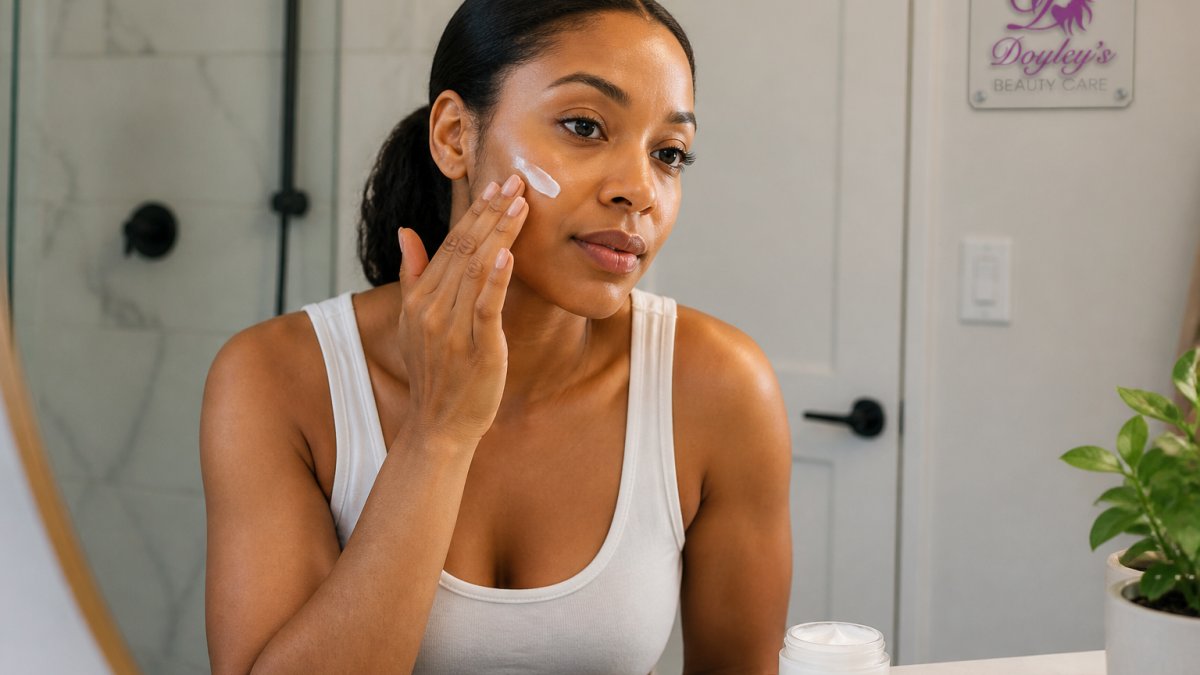
The Order That Works
- Cleanse gently. Wash with lukewarm water and a mild cleanser. Pat dry, do not rub.
- Apply a thin layer of kojic acid cream. Dot a pea-sized amount over the face and neck and press it in. A pea-sized amount is enough for the full face; more does not speed results and can increase the chance of stinging.
- Moisturize if needed. If your skin feels tight ten minutes after the cream, layer a plain moisturizer on top. Tightness is a signal to buffer, not to add more active.
- Finish with sunscreen in the morning. This step is not optional. Apply a sunscreen as the last step.
How Often to Apply
Start once daily, in the morning or evening, whichever you will actually keep up with. If your skin tolerates it well after two to three weeks, twice daily is fine. If you notice stinging or flaking, drop back to once daily or every other day rather than pushing through.
A common pattern is to use kojic acid cream in the morning and keep the evening simple: cleanse, moisturize, and treat any other actives on separate nights. If you are building a brightening routine, our Kojic Acid Turmeric Soap guide explains how a kojic acid cleansing step fits alongside the cream before you layer other products. That keeps one variable at a time while you learn your tolerance.
Application Order When You Layer Products
Thinnest to thickest is the general rule. A kojic acid cream sits after cleansing and before heavier moisturizers or sunscreen. If you use a hydrating serum, apply it first and let it absorb for a minute before the cream. If you use retinol at night, keep it in a separate step and do not layer it directly with kojic acid cream.
What to Do If Skin Feels Tight or Stings
Tightness right after application usually means the cream needs a buffer. Wait five minutes, then apply moisturizer. If stinging lasts more than a minute or two, wash it off, skip the next application, and restart every other day once skin is calm. A patch test before your first full-face application is a sensible precaution.
Choosing a Kojic Acid Cream by Formulation and Skin Type
The right formulation depends on your skin type and how much buffering your skin needs, not on the strongest percentage you can find.
Cream vs. Serum: What Actually Changes
A cream carries more emollients and occlusives, so it slows water loss and feels comfortable on dry or tight skin. A serum is lighter and often spreads further, which suits oily or combination skin and layered routines. Neither is inherently stronger; the base changes how the same active feels and how well your skin tolerates it. If your skin is dry and reactive, a cream is usually the easier starting point. If your skin is oily and you dislike the feel of heavy products, a light serum or gel is more likely to get used consistently.
How to Read the Ingredient List
Look at the full list, not just the kojic acid. Fragrance and essential oils are common irritants for sensitive skin, so scan for them near the end of the list. Alcohol high in the list can feel drying. A short, plain formula is often easier to tolerate than a long one with many botanicals.
Matching Form to Skin Type
| Skin Type | Best Form | What to Look For |
|---|---|---|
| Dry | Cream | Glycerin, hyaluronic acid, emollients |
| Oily | Gel or light serum | Non-comedogenic base, lightweight texture |
| Sensitive | Low-strength cream | Niacinamide, no fragrance |
| Combination | Lotion or cream | Lightweight texture, easy to layer |
A Note on Strength
If you are new to brightening actives, start with a formula you can use daily without stinging, then adjust frequency before you adjust strength.
If you want to see how these ingredients come together in a single product, you can shop the Brightening Moisturizer Cream with Kojic Acid + Niacinamide and read the full formula before deciding.

Kojic Acid Side Effects and What to Do If Irritation Happens
Stop using the product and let your skin rest if you notice:
- Persistent burning or itching
- Swelling or hives
- Peeling that does not settle within a few days
- Any reaction that spreads beyond where you applied it
Once your skin calms, restart every other day and build up slowly. If irritation returns, stop. A cosmetic ingredient that fights your skin is not worth the trade.
Responsible use means one brightening active at a time while you learn your skin tolerance. Do not stack three new products in the same week.
How Long Does Kojic Acid Take to Work?
Set expectations honestly:
Track progress with a photo in the same light every two weeks. It is the only reliable way to see slow change.
Kojic Acid and Retinol: Can You Use Them Together?
Yes, kojic acid and retinol can be used in the same routine, but not in the same step. Both can irritate skin, so layering them at once raises the risk of redness and flaking.
A workable approach:
- Morning: cleanse, kojic acid cream, moisturizer, sunscreen
- Evening: cleanse, retinol, moisturizer
- Start slow: retinol two nights a week, kojic acid in the morning only
If your skin is new to both, introduce one at a time. For readers cautious about combining brightening actives, our article on whether turmeric soap can brighten dull skin offers guidance on turmeric-based brightening and how to layer products safely. Give each four weeks before adding the next.
Sun Protection While Using Kojic Acid Cream
Sunscreen is the step that protects your results. UV exposure drives new discoloration, so brightening without sun protection is a losing race.
Use a broad-spectrum sunscreen every morning, reapplied every two hours outdoors. Add a hat and shade during peak hours. This matters most in the first months of use, when skin can be more sensitive.
The American Academy of Dermatology's sun protection guidance covers application amounts and reapplication timing in detail. If dull, dry texture is your main concern beyond tone, our article on why skin texture turns dull and dry explains the causes and fixes that work alongside a brightening routine.
Building Your Brightening Routine with Doyley's Beauty Care
A brightening routine works best when the products are designed to sit together. At Doyley's Beauty Care, we offer brightening products designed to be used together with daily cleansing and sun protection.
Start with the Kojic Acid + Turmeric Brightening Cleansing Bar for face and body, then follow with the Brightening Moisturizer Cream with Kojic Acid + Niacinamide. Both are for external use only, and a patch test before first use is recommended.

The National Institutes of Health's overview of cosmetic ingredients is a helpful starting point if you want to read more about how brightening ingredients are studied.
Frequently Asked Questions
What does kojic acid do to the face?
Kojic acid is a skincare ingredient used to help improve the appearance of dull, uneven-looking skin. In a kojic acid cream, it works alongside moisturizing ingredients to support a brighter, more radiant-looking complexion over time. It is not a medical treatment, and it does not remove dark spots overnight. Think of it as a cosmetic ingredient that supports a more even-looking skin tone when used consistently and paired with daily sun protection.
How often should you use kojic acid cream?
Start with once daily, ideally in the evening, and let your skin adjust for a week or two before using it more often. Frequency can vary depending on how your skin tolerates it. If you notice stinging or redness, reduce to every other day. Always follow the directions on the product label, and patch test before your first full application.
What should you not use kojic acid with?
Avoid layering kojic acid cream with strong exfoliating acids, high-strength retinoids, or other brightening actives in the same routine step, because the combination can increase the chance of irritation. If you use retinol, alternate nights rather than applying both at once. Skip harsh scrubs on the same day. When in doubt, keep your routine simple and introduce one active at a time so you can tell what your skin tolerates.
Should you use sunscreen with kojic acid cream?
Yes. Sun exposure can undo the progress you make with any brightening routine, so daily sunscreen is essential. Apply a sunscreen every morning as part of your routine. Pairing your kojic acid cream with consistent sun protection supports a more even-looking complexion over time.
Building a brighter-looking complexion takes patience, a simple routine, and products that support each other instead of fighting for space on your shelf. Doyley's Beauty Care makes a focused pair: a turmeric and kojic acid cleansing bar for daily wash, plus a moisturizer with kojic acid, niacinamide, vitamin C, and hyaluronic acid for face and neck. Both are made for daily use and easy to layer. Get started with Doyley's Beauty Care and build a routine you can actually keep up with.
